My Partner Was Just Diagnosed With Coeliac Disease: How Can I Actually Help?
The most useful things you can do are practical rather than emotional: make the shared kitchen safe, take on a share of the label-reading, and be the one who asks the questions when you eat out. None of that requires you to give up gluten yourself, and all of it takes real weight off someone who is currently learning a new set of rules while feeling rough.
The instinct to fix it all in the first week is a good instinct. It just tends to land better spread over a few months.
Do you need to go gluten-free too?
No. A fully gluten-free house is genuinely easier and some households choose it, but plenty of people live happily with a mixed kitchen. What matters is that the shared points are handled:
- Separate spreads. Butter, jam, peanut butter, mayonnaise. A knife that has touched bread and gone back in the jar has contaminated it. Squeezy bottles or clearly labelled separate jars sort this permanently.
- A separate toaster, or toaster bags. Crumbs in a toaster can't be cleaned out.
- Separate chopping boards for bread, and replacing wooden utensils and scratched non-stick pans, which hold residue in a way washing up doesn't fix.
- Storage. Gluten-free items on a higher shelf, so nothing sheds crumbs onto them.
- Wheat flour. Baking with ordinary flour puts dust in the air that settles for hours. Worth timing it away from their food prep, and wiping down properly.
Metal cutlery, plates, glassware, stainless steel pans and the dishwasher are all fine as they are.
The cost worry
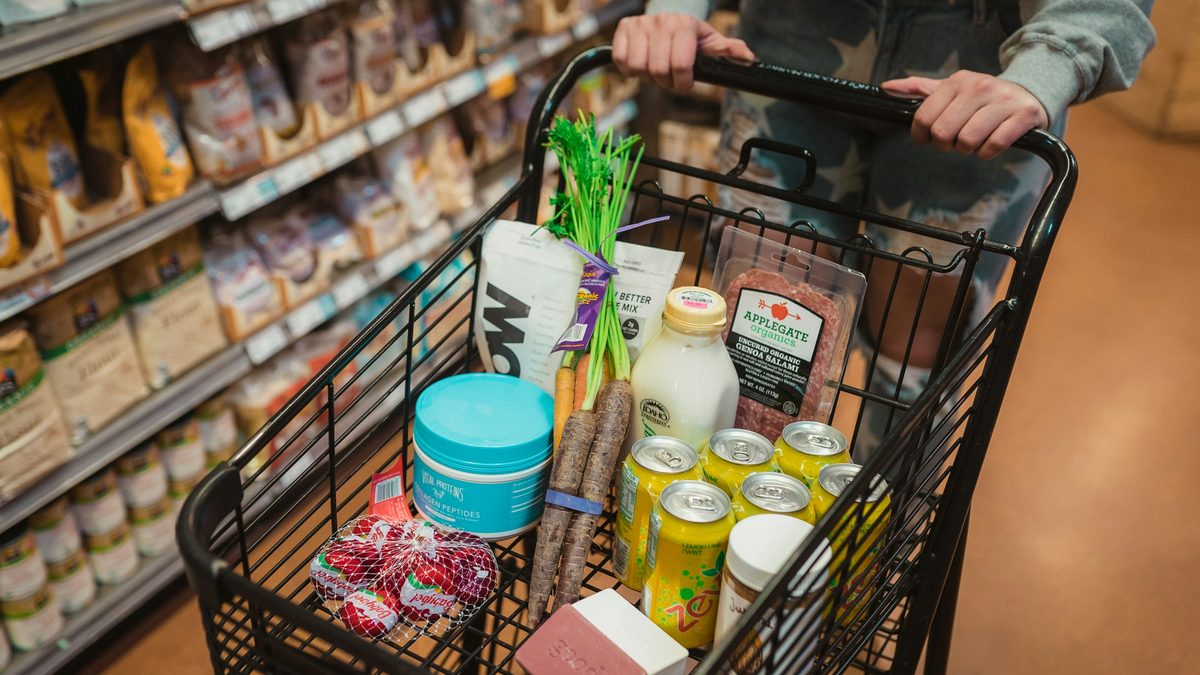
This is the thing most people underestimate, and it's a fair worry. Specialist gluten-free bread, biscuits and pasta are where the money goes. The food itself doesn't have to be expensive, because a lot of naturally gluten-free staples are among the cheapest things in the shop — and all of these are rated safe for gluten-free on ClearToEat:
- White rice and brown rice
- Potatoes and sweet potatoes
- Eggs
- Chicken and beef
- Rice pasta and corn pasta, which are usually cheaper than branded gluten-free wheat-substitute pasta
- Polenta and cornmeal
- Lentils and chickpeas — both rated safe for gluten-free, though worth noting they're rated avoid on low FODMAP if IBS is also in the picture
Building meals around those and treating gluten-free bread as the occasional purchase keeps the weekly shop close to what it was. In the UK, some gluten-free staples are available on prescription, though what's offered varies quite a lot by area — worth asking their GP rather than assuming either way.
Take on the label-reading
Reading every packet is exhausting, and it's the part you can share without any risk of getting it wrong on their behalf. A few things that trip people up early:
- Soy sauce is rated avoid — it's brewed with wheat. Tamari is the gluten-free version.
- Malt vinegar is rated avoid, and malt extract turns up in cereals and sauces.
- Stock cubes and fresh sausages are both rated caution, so they're a brand-by-brand check rather than a yes or no.
- Beer is rated avoid, which matters more socially than it does nutritionally.
- Ordinary oats are rated caution — they're contaminated during growing and milling, so only oats labelled gluten-free are suitable.
The ClearToEat food finder is a quick way to check something in the aisle, and it covers low FODMAP, histamine and lactose at the same time, which helps if they're managing more than coeliac disease.
Eating out: be the one who asks
A common story in coeliac forums goes like this: someone with a recent diagnosis asks a waiter to double-check their meal is gluten-free, gets an eye-roll, and ends up apologising and leaving a big tip anyway. That feeling of being a nuisance for asking about your own safety is extremely common, and it's one of the genuinely useful things a partner can take off them.
Ring ahead and ask about the kitchen. Ask the questions at the table. Ask for the chef to confirm. When it comes from you rather than from them, it stops being a thing they have to be brave about every single time.
Understanding symptoms they can't always describe
People often say they know within an hour if they've been glutened. Others get symptoms a day or two later, and some get very little in the way of obvious gut symptoms at all — fatigue, brain fog, joint pain, mouth ulcers, low mood and itchy skin rashes are all part of the picture for some people. Not reacting visibly doesn't mean no damage is being done, which is why the diet stays strict either way.
If you're supporting a child or someone who finds it hard to describe how they feel, watching for the pattern helps more than asking direct questions. Unusual tiredness in the two days after a particular meal out tells you more than "does your tummy hurt?" ever will.
Things not to say
Said kindly, all of these still land badly:
- "A tiny bit won't hurt."
- "Is it really that serious?"
- "You were fine eating that before."
- "I've made you a special thing" — when the special thing was cooked in the shared pan with the shared spoon. The effort is lovely and the meal isn't safe, and that conversation is hard for both of you. Better to ask first.
What does land well: learning one meal you can cook confidently and safely, and cooking it without making it a project.
Pace yourself
You do not need to know everything by Sunday. The toaster, the separate butter and the shopping list are the changes that do most of the work. It's normal for the first month to feel like a lot and for the whole thing to be fairly routine six months later.
---
Photos by Becca Tapert and Karsten Winegeart on Unsplash.
This article is general information, not medical or dietary advice. Coeliac disease affects people differently — please work with your GP or a registered dietitian on the plan that's right for you.