Are Oats Gluten Free? And Why Gluten-Free Oats Still Bother Some People
Oats don't contain gluten, but most oats sold are not safe if you have coeliac disease. They're grown, harvested, transported and milled alongside wheat, barley and rye, and that contact is enough to put gluten in the bag. Only oats that are specifically labelled gluten-free have been kept separate the whole way through, and those are the ones to buy.
This is why the packet you're holding can list "oats" as the only ingredient and still not be suitable. The ingredients list describes what was put in. It doesn't describe what the crop and the mill were sitting next to.
On ClearToEat, oats are rated caution for gluten-free for exactly this reason — the answer depends on the packet rather than the food.
What the label needs to say
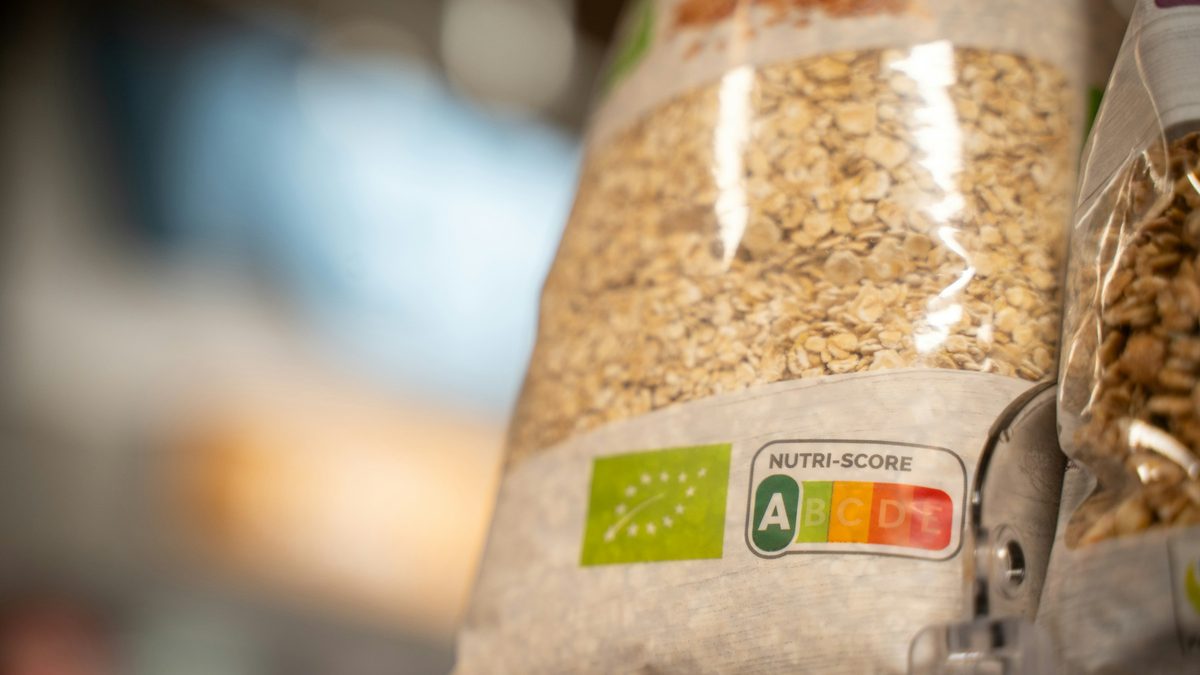
Look for the words "gluten free" on the front, or the crossed grain symbol. In the UK and EU, a gluten-free claim is a legal one and means the product has been tested to below 20 parts per million of gluten. "Wheat free" is not the same claim and doesn't cover barley, rye, or contamination. Other badges on the front — organic, Nutri-Score, high fibre — tell you nothing at all about gluten.
Two things that are not evidence either way:
- No gluten-free label doesn't automatically mean unsafe — it means untested and unverified, which comes to the same thing in practice. If it isn't labelled, don't rely on it.
- "Made in a facility that also processes wheat" on an otherwise gluten-free-labelled product is a manufacturer's caution about their own site. Plenty of coeliacs eat those products without issue and plenty avoid them, and it's a reasonable thing to be conservative about in your first year.
If you're checking a specific product like overnight oats or a cereal bar, the oats are only half the job — flavoured versions often contain barley malt, and malt extract is rated avoid for gluten-free.
Why some people react to gluten-free oats anyway
This is the part that gets missed. Oats contain a protein called avenin, which is similar to gluten but not the same. A small proportion of people with coeliac disease react to avenin itself, so certified gluten-free oats can still cause symptoms and, in a small number of cases, ongoing gut damage.
The usual advice is to wait until you're established on a gluten-free diet and your symptoms have settled before introducing gluten-free oats, then introduce them on their own and see what happens over a few weeks. If symptoms return, oats are worth investigating with your dietitian rather than assuming you've been glutened by something else. This is one to raise at a follow-up appointment, because avenin sensitivity is checked properly with blood tests and follow-up, not by guesswork.
So there are two separate reasons someone might react to a bowl of porridge: contamination, and the oats themselves. They need different answers, which is why "I had gluten-free oats and felt awful" is worth taking seriously rather than dismissing.
Oats on low FODMAP
If you're managing IBS or low FODMAP as well, oats bring a second question. They're rated caution on low FODMAP too, because oats contain fructans and the amount you eat decides whether that matters. A modest serving is generally much better tolerated than a large bowl, so this is one of the foods where portion size does most of the work.
Other oat products carry the same double caution:
- Oat milk — caution for both gluten-free and low FODMAP.
- Oat flour — caution for both.
- Oat-based cereals, granola and oat bran — caution for both.
- Oat yogurt — caution for gluten-free and low FODMAP, and its histamine rating varies by product.
If oats turn out not to work for you
Plenty of naturally gluten-free breakfast options don't involve oats at all, and several are rated safe across gluten-free and low FODMAP on ClearToEat:
- Rice-based cereals and corn-based cereals — worth checking the packet for barley malt, which is common in cornflakes.
- Eggs, any way you like them.
- Buckwheat, which despite the name contains no wheat and is rated safe for gluten-free and low FODMAP.
- Quinoa flour or rice flour for pancakes.
- Unripe banana is rated safe on low FODMAP, while ripe yellow banana moves to caution, because the FODMAP content changes as it ripens.
For milk, lactose-free milk is rated safe across gluten-free, low FODMAP and lactose-free, which makes it a simpler swap than most plant milks if all you need is something to put on cereal.
Checking a food across several diets at once
Oats are a good example of why single-diet answers get frustrating. "Are oats gluten free" has one answer, "are oats low FODMAP" has another, and the packet in your hand decides both. The ClearToEat food finder shows a food's rating across gluten-free, low FODMAP, histamine, lactose-free and SCD together, so you can see the whole picture before you buy.
---
Photos by Jocelyn Morales and Paul Einerhand on Unsplash.
This article is general information, not medical or dietary advice. If you have coeliac disease, discuss introducing gluten-free oats with your GP or a registered dietitian, particularly if symptoms return.